Choosing the right windows for your home can be overwhelming as a homeowner. With so many different types, styles, and materials available, it can be difficult to know where to start. However, taking the time to understand the importance of window selection can make all the difference in improving your home’s energy efficiency, aesthetic appeal, and functionality. In this article, we’ll explore the various types of windows available, the popular styles and designs, and the different frame materials to help you make an informed decision for your home.


Understanding the Importance of Window Selection

Choosing the right windows for your home is about more than just aesthetics. It’s also about functionality and energy efficiency, which can lead to significant cost savings and a more comfortable living environment. The right windows can help keep your home warm in the winter and cool in the summer, reduce outside noise, and filter UV rays. Additionally, windows can complement your home’s architectural style and enhance curb appeal.

When selecting windows for your home, it’s important to consider several factors, including energy efficiency and insulation, aesthetic appeal and architectural style, and functionality and ease of use. By considering these factors, you can ensure that you choose windows that look great and provide the functionality and energy efficiency you need.

Energy Efficiency and Insulation

One key factor to consider when selecting windows for your home is their energy efficiency and insulation properties. Energy-efficient windows can help reduce energy bills by keeping your home cooler in the summer and warmer in the winter, which can also contribute to a more comfortable living environment. Look for windows with low U-values for better insulation and ENERGY STAR® certified windows, which meet strict energy efficiency guidelines set by the U.S. Environmental Protection Agency.

Another important aspect of energy efficiency is the type of glass used in the windows. Double-paned or triple-paned glass can provide better insulation than single-paned glass, and some windows also have a low-emissivity (Low-E) coating that reflects heat into your home, keeping it warmer in the winter and cooler in the summer.

Aesthetic Appeal and Architectural Style

Another important aspect of window selection is your home’s aesthetic appeal and architectural style. The right windows can enhance your home’s overall look and feel and complement its architectural style. Consider the design, size, and shape of the windows and the materials and colors available. Some popular window styles include double-hung, casement, sliding, bay and bow, picture, and awning windows, which we’ll explore in more detail below.

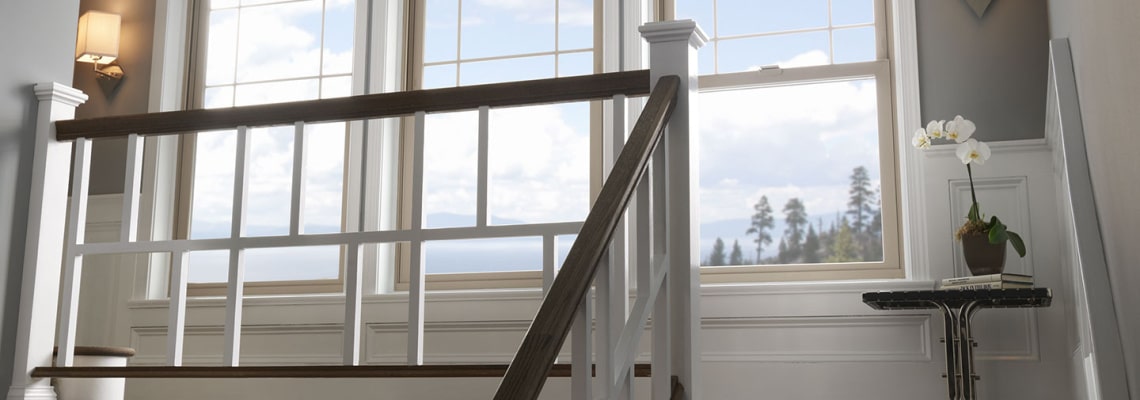
Double-hung windows are a classic style that works well with many architectural styles. They have two sashes that slide up and down, allowing for ventilation from both the top and bottom of the window. Casement windows are another popular style that opens outward with a crank, providing excellent ventilation and a modern look. Sliding windows slide horizontally, making them a good choice for spaces where a projecting window could be a hazard. Bay and bow windows are a great way to add depth and dimension to a room, providing a panoramic view of the outdoors. Picture windows are large, stationary windows that provide unobstructed views and natural light. Finally, awning windows open outward from the bottom, providing ventilation even in rainy weather.

Functionality and Ease of Use

Finally, it’s important to consider the functionality and ease of use of the windows you choose. Consider your lifestyle and needs, and look for windows with easy-to-use hardware, easy-to-clean glass, and the ability to open and close easily. Some windows also have features like built-in blinds or shades, which can be a convenient and stylish option. Additionally, if you have children or pets, you may want to consider windows with locks or other safety features to prevent accidents.

Choosing the right windows for your home is an important decision that can greatly impact your comfort, energy bills, and overall enjoyment of your living space. By considering factors like energy efficiency, aesthetic appeal, and functionality, you can make an informed decision and choose windows that meet your needs and enhance your home’s beauty and value.


Popular Window Styles and Designs

Double-Hung Windows

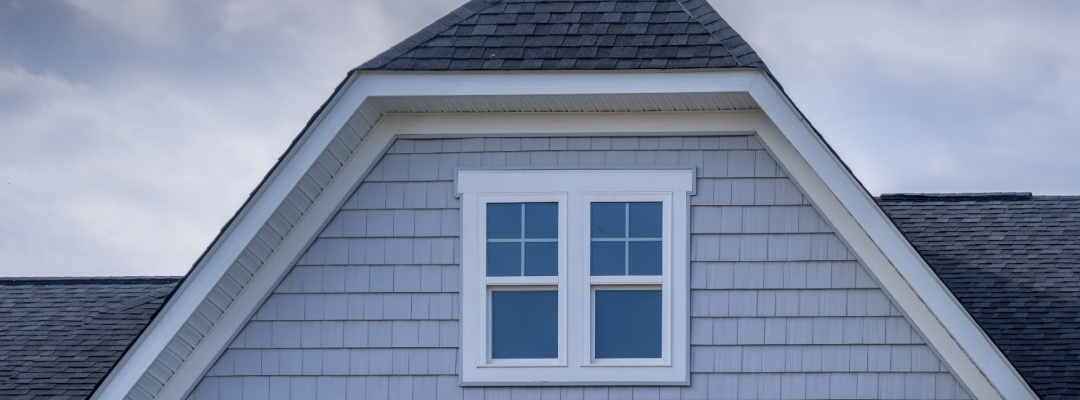
Double-hung windows are one of the most popular window styles, with two sashes that slide up and down to allow for ventilation. They are easy to operate, low maintenance, and come in various sizes and styles.

Casement Windows

Casement windows feature a side-hinged sash that swings outwards to allow for ventilation. They are popular for their energy efficiency, providing a tight seal when closed. They also offer unobstructed views and are easy to clean.

Sliding Windows

Sliding windows feature one or more sashes that slide horizontally to allow for ventilation. They are ideal for modern and contemporary homes, as they provide a sleek look and are easy to operate. They also offer a larger viewing area and easy maintenance.

Bay and Bow Windows

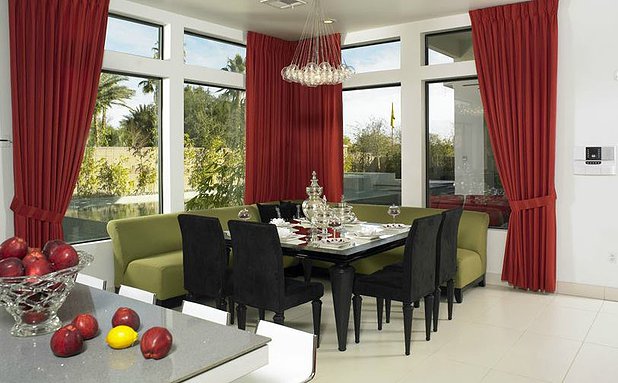
Bay and bow windows are popular for their ability to bring natural light into a room and their aesthetic appeal. Bay windows typically have three panels that project outwards from the home, while bow windows have four or more curved panels. They provide a unique architectural feature and can also offer extra seating or storage space.

Picture Windows

Picture windows feature fixed glass panes that do not open or close. They are ideal for rooms without ventilation, such as living rooms and bedrooms. They offer unobstructed views and can be combined with other window styles.

Awning Windows

Awning windows feature a top-hinged sash that opens outward, allowing ventilation even in rainy weather. They are ideal for locations where a full-sized window may not fit, such as above a sink or countertop. They are also popular for their energy efficiency and ease of use.


Window Frame Materials

Wood Frames

Wood frames are popular for their natural beauty and classic appeal. They can provide good insulation properties but require regular maintenance to prevent rot and deterioration. They are also more expensive than other frame materials.

Vinyl Frames

Vinyl frames are popular for their affordability, durability, and low maintenance. They are resistant to moisture, insect damage, and rot, and offer good insulation properties. They are available in a range of colors and styles to complement any home.

Aluminum Frames

Aluminum frames are popular for their strength and durability. They are generally less expensive than other frame materials and require little maintenance. However, they are not as energy-efficient as other materials and can be prone to condensation.

Fiberglass Frames

Fiberglass frames are popular for their strength, durability, and energy efficiency. They offer good insulation properties and are resistant to moisture, insect damage, and rot. They are also versatile in design, and can be customized to match any architectural style.

Composite Frames

Composite frames are a newer option that offers the best of both worlds – the strength and durability of fiberglass with the beauty and warmth of wood. They are resistant to moisture, rot, and insect damage and offer excellent insulation properties. They are available in a variety of colors and styles and are a good choice for homeowners who want the look of wood without the maintenance.


In conclusion, choosing the right windows for your home is an important decision that can significantly impact your comfort and budget. By considering factors such as energy efficiency, aesthetic appeal, and functionality and exploring the different types, styles, and frame materials available, you can make an informed decision that will enhance the overall value of your home.
Windows are essential to every home’s architecture and design, bringing light and fresh air indoors while protecting the home from external elements. The beauty and functionality of windows also depend on the window hardware used. Window hardware refers to the components responsible for opening, closing, locking, and securing a window. In this article, we’ll explore everything you need to know about window hardware, including the types of window hardware, choosing the right one, and proper installation and maintenance.


Types of Window Hardware

Windows are an essential part of any home, allowing natural light and fresh air to enter while providing a view of the outdoors. However, windows must be equipped with the right hardware to ensure they function properly and provide the desired security and energy efficiency level. This article will explore the different types of window hardware and their functions.

Handles and Locks

The window handle is responsible for opening and closing the window while the lock secures it. Handles and locks come in different styles, shapes, and finishes, and you should choose those that match your window design and provide the desired level of security. For example, casement windows often use crank handles that open outward, while double-hung windows use sash locks that secure the sashes together. You can also choose from keyed or keyless locks depending on the level of security you need.

When selecting handles and locks for your windows, it is important to consider not only the style and finish but also the durability and ease of use. A good quality handle and lock will last many years and provide reliable security for your home.

Hinges and Brackets

Window hinges and brackets are responsible for attaching the window sashes to the frame and allowing them to swing open and shut. They come in different configurations and materials, such as stainless steel, brass, or zinc alloy. The type of hinges and brackets you use will depend on your windows’ size, weight, and design. For example, large, heavy windows like those found in historic homes often use mortise-and-tenon joints to prevent sagging or warping.

Hinges and brackets are an essential part of any window, and choosing the right ones can make a significant difference in the performance and longevity of your windows. It is important to select hinges and brackets that are strong, durable, and compatible with your window design and frame.

Sash Lifts and Pulls

Sash lifts and pulls are the components that allow you to open and close double-hung windows efficiently. They attach to the bottom of the lower sash and provide a handle to lift it upward or downward. Sash lifts and pulls come in various designs and finishes, such as brass, nickel, or oil-rubbed bronze, and should complement your window design and hardware.

Choosing the right sash lifts and pulls can make operating your double-hung windows much easier and more convenient. Look for lifts and pulls that are sturdy, easy to grip, and match the style and finish of your window hardware.

Window Operators and Cranks

Window operators and cranks are used for opening and closing windows that operate horizontally or vertically, such as awning, hopper, or sliding windows. They come in different styles, such as hand-crank, push-out, or electric-powered, and are usually metal or plastic. Window operators and cranks should be installed to allow for smooth and easy window operation without putting too much strain on the frame or the glass.

When selecting window operators and cranks, consider the type and size of your window, as well as the hardware’s ease of use and durability. A good quality operator or crank will provide reliable and easy windows operation for many years.

Weatherstripping and Seals

Window weatherstripping and seals are essential components that enable windows to provide insulation and energy efficiency for the home. They prevent drafts, air leaks, and moisture infiltration by sealing the gaps around the window frame and sashes. Weatherstripping and seals come in different materials, such as foam, rubber, or vinyl, and should be compatible with the type of window and frame you have.

Properly installed weatherstripping and seals can significantly improve your home’s energy efficiency and reduce heating and cooling costs. When selecting weatherstripping and seals, consider the type and condition of your windows and your area’s climate and weather conditions.


Choosing the Right Window Hardware

Consider Your Window Type

The first step in choosing the right window hardware is to consider the type of windows you have. Different window types require different hardware components, such as hinges, handles, locks, or cranks. Therefore, you must match the hardware to the window type, size, and weight to ensure proper function and durability.

Match Your Home’s Style

Your window hardware should also match your home’s overall architectural style and design. For example, if you have a modern home with clean lines and minimalist details, you may want to choose sleek and contemporary hardware finishes, such as brushed nickel or chrome. If you have a more traditional or historic home, you may want to opt for classic and ornate hardware finishes, such as antique brass or wrought iron.

Prioritize Security Features

Security is one of the most critical factors to consider when choosing window hardware. Windows are potential entry points for burglars or intruders, so you must ensure that your hardware components provide adequate protection. Look for sturdy construction hardware, tamper-resistant features, and locks with strong bolts or cylinders.

Evaluate Ease of Use

Window hardware should provide security and be easy to use and operate. Consider the physical capabilities and preferences of the users when choosing hardware, and look for those that are ergonomically designed, easy to grip, and operate smoothly. Also, ensure the hardware components are compatible with any automation or motorized systems you may have installed.

Determine Your Budget

Window hardware comes in varying price ranges, from the most basic and affordable to the most elaborate and expensive. Determine your budget upfront and choose hardware that meets your functional and aesthetic needs within that budget. Remember that quality hardware is an investment that will pay off in the long run, as it will last longer and require less maintenance and repairs.


Proper Installation and Maintenance

Hiring a Professional vs. DIY Installation

Proper window hardware installation is essential for its functionality, durability, and security. Depending on your experience and expertise, you can hire a professional installer or do it yourself. Hiring a professional ensures the hardware is installed correctly and any warranty or liability issues are covered. On the other hand, DIY installation allows you to save on labor costs but requires you to have the right tools, equipment, and skills.

Regular Cleaning and Lubrication

Window hardware components require regular cleaning and lubrication to ensure smooth operation and prevent wear and tear. Use a soft cloth and mild soap to clean the hardware, and avoid using abrasive or corrosive cleaners that can damage the finishes. Lubricate the hinges, cranks, and locks with a silicone-based lubricant or WD-40 to prevent rust and corrosion and ensure smooth operation.

Inspecting for Wear and Damage

Regular inspections of your window hardware can help you detect any signs of wear or damage early on and prevent them from causing more significant problems. Inspect the hardware for loose screws, broken pins, or worn-out finishes, and replace them as necessary. Also, check for any signs of warping, decay, or moisture damage in the window frames or sashes, as these can affect the hardware’s performance.

Replacing Broken or Outdated Hardware

If your window hardware is broken, outdated, or lacks the desired security or functionality, it’s time to replace it. Choose hardware that matches the existing hardware’s style, finish, and functionality, and follow the manufacturer’s instructions for installation. Remember to dispose of the old hardware properly and recycle any components that can be reused or repurposed.

In closing

Window hardware is essential to any home’s window installation, providing the functionality, security, and beauty that windows offer. By understanding the types of window hardware, choosing the right hardware for your home, and proper installation and maintenance, you can enjoy your windows for many years. Whether you’re a DIY enthusiast or seeking professional installation and maintenance, always ensure that safety, security, and style are at the forefront of your decision-making.


Windows are an essential component of any household, providing natural light, ventilation, and a connection to the outside world. However, to ensure your windows function correctly, you must ensure all their components are in good working order. One of the components that is essential for a window’s functionality is the window balance. This comprehensive guide will explore everything you need to know about window balances, including what they are, how they work, and how to maintain and replace them when necessary.


What are Window Balances?

Window balances are an essential component of windows that are often overlooked. They are designed to support and stabilize the window sash, the part of the window that holds the glass. Without window balances, the sash would be too heavy to lift and would not stay open once lifted.

Window balances comprise several parts, including a balance tube, shoe, and springs. The balance tube is a long, narrow metal tube that houses the balance spring. The balance shoe is a small plastic or metal piece that attaches to the bottom of the sash and holds the balance spring in place. The balance springs are coiled and attached to the balance tube and shoe.

Types of Window Balances

Several types of window balances are available, each with unique features and benefits. The most common types of window balances include:

  • Spiral balances: These balances are made up of a spiral-shaped metal rod housed inside a tube. The spiral rod is attached to the balance shoe and tube and works by twisting as the sash is opened and closed.
  • Tilt balances: These balances are designed to work with tilt-in windows and are typically made up of a metal or plastic housing that contains a spring-loaded mechanism. When the sash is tilted inwards, the balance spring is compressed, and when the sash is returned to its upright position, the spring expands, helping to lift the sash.
  • Block and tackle balances: balances comprise a pulley system that uses a cord or chain to lift the sash. The pulley system is typically housed inside a metal or plastic housing attached to the window frame.

Each type of balance operates slightly differently, but all serve the same basic function of supporting and stabilizing the window sash.

The Role of Window Balances in Window Functionality

Window balances play a crucial role in ensuring the proper functionality of a window. They help to counterbalance the weight of the sash, making it easy to open and close the window. Without a working balance system, opening and closing the window can be difficult or even impossible.

Additionally, a broken or damaged balance can cause the sash to become unbalanced, leading to other issues, such as difficulty in tilting the window inwards for cleaning and maintenance or even the sash falling out of the frame entirely. It is important to regularly inspect and maintain your window balances to ensure that they are functioning properly.

Overall, window balances are an essential window component that is often overlooked. They play a crucial role in ensuring the proper functionality of a window and should be regularly inspected and maintained to ensure that they function properly.


Components of Window Balances

Window balances are an essential part of any window, and they play a crucial role in ensuring that your windows operate smoothly and efficiently. In this section, we will examine the different components that make up a typical window balance system.

Balance Springs

The balance springs are one of the most critical components of the window balance system. These springs are responsible for supporting the weight of the sash and ensuring that it stays in place when you open or close the window. They are typically made up of coiled metal that expands and contracts based on the tension placed on it when the window is opened and closed. This expansion and contraction help to counterbalance the weight of the sash, making it easy to operate the window with minimal effort.

One of the most significant advantages of balance springs is that they are incredibly durable and long-lasting. They can withstand years of use without losing their strength or functionality, making them an excellent investment for any homeowner.

Balance Shoes

Balance shoes are another essential component of the window balance system. These small plastic or metal pieces attach to the sash, allowing it to move smoothly up and down along the window frame. They help to distribute the weight of the sash evenly, making it easy to open and close the window.

Balance shoes come in various shapes and sizes, depending on the type of window they are designed for. Some balance shoes are designed to be adjustable, allowing you to fine-tune the tension of the balance springs to ensure optimal performance.

Balance Tubes

The balance tubes are the long, cylindrical metal tubes that contain the balance springs. They are essential to the balance system as they provide support and stability for the entire window assembly. The balance tubes are typically made of durable materials such as steel or aluminum, which can withstand years of use without showing signs of wear or damage.

One of balance tubes’ most significant advantages is their incredibly versatile. They can be used in various window types and configurations, making them an excellent choice for homeowners who want a reliable and durable window balance system.

In conclusion, window balances are an essential part of any window, and they play a crucial role in ensuring that your windows operate smoothly and efficiently. By understanding the components that make up a typical window balance system, you can make informed decisions about which type of window balance is right for your home.


Identifying Common Window Balance Issues

Like any mechanical system, window balances can experience issues over time. Some of the most common issues include:

Broken or Damaged Springs

If your balance springs are broken or damaged, your window will no longer stay open, or worse, it may fall abruptly. In either case, replacing the springs as soon as possible is essential to avoid potential injury.

Worn or Damaged Shoes

If the balance shoes become worn or damaged, they can cause the sash to become unbalanced, making it difficult to open and close the window smoothly. Replacing the shoes is a quick and simple process to help you avoid more substantial window issues.

Malfunctioning Balance Tubes

Balance tubes can become bent, twisted, or otherwise damaged, which can cause the window to become unbalanced. If you suspect that your balance tubes are not functioning correctly, it is essential to have them inspected and replaced if necessary.


How to Choose the Right Window Balance for Your Home

When selecting the right window balance for your home, there are several factors to consider, including:

Factors to Consider

  • The weight of your window sash
  • The size of your window frame
  • The type of window that you have
  • Your budget

Popular Window Balance Brands

Some of the most popular window balance brands include:

Replacing and Maintaining Window Balances

When to Replace Your Window Balances

If your window balances are damaged or not functioning correctly, it is essential to replace them as soon as possible to ensure the proper functionality of your windows. Additionally, if your windows are over 10-15 years old, it may be time to replace the balances to ensure optimal performance.

Step-by-Step Guide to Replacing Window Balances

Replacing your window balances is a relatively simple process that can be done with a few basic tools. The process typically involves:

  1. Removing the window sash
  2. Removing the old balance system
  3. Installing the new balance system
  4. Reattaching the window sash

Tips for Proper Maintenance and Longevity

To ensure the proper functioning of your window balances, inspect them regularly and address any issues promptly. Additionally, clean and lubricate them on occasion to keep them running smoothly. Finally, keep your windows clear of debris and dirt, which can cause additional wear and tear on the balance system.

Proper care and maintenance allow your window balances to provide consistent and reliable performance for years.


Bay windows are gaining popularity among homeowners due to their numerous benefits. They enhance the aesthetics of a home’s exterior, increase the light and ventilation, and provide additional living space. In this article, we will explore the history, types, advantages, installation process and costs of bay windows to help you decide whether it’s the right choice for your home.


What Are Bay Windows?

A bay window is a window structure that protrudes outward from the main wall of a building. It usually consists of three or more windows, with either a flat or angled shape. The windows can be fixed, operable, or a combination of both. Bay windows provide an unobstructed view of the outdoors and often have a seat board or storage space created by the additional interior space they offer.

The History of Bay Windows

Bay windows originated in the Gothic and Renaissance architectural styles in Europe. They were first built to allow more light and air into large meeting halls and to provide an open and welcoming space for outdoor views. They became popular in Victorian architecture in the 19th century, adding elegance and style.

During the Victorian era, bay windows were often used in living rooms and bedrooms to create a cozy nook for reading or relaxing. They were also popular in dining rooms, providing a space for a large dining table and allowing for natural light to enhance the dining experience.

Different Types of Bay Windows

There are various types of bay windows, including:

  • Box bay windows
  • Oriel windows
  • Canted bay windows
  • Bow windows

Box bay windows are the most common, consisting of rectangular shapes that protrude from the wall. Oriel windows are similar but are supported by brackets or corbels. Canted bay windows have angled sides, while bow windows are curved, creating a more panoramic view.

Box bay windows are often used in modern architecture to create a contemporary look. Oriel windows are popular in Tudor and Gothic Revival architecture, adding a touch of elegance and grandeur to the building. Canted bay windows are commonly used in Victorian and Edwardian architecture, while bow windows are often seen in Georgian and Victorian architecture.

Bay windows can also be customized to fit the specific needs of a building. For example, a bay window can be designed to fit around a corner of a building, creating a unique and interesting architectural feature. Additionally, bay windows can be energy-efficient, with insulated glass and frames to reduce heat loss and save on energy costs.


Advantages of Bay Windows

Enhanced Natural Light

Bay windows are a popular architectural feature in many homes. They are a beautiful addition that can enhance the natural light in your home. Bay windows typically comprise three or more windows extending out from the home’s exterior wall. This unique design allows more natural light to enter the home, providing a brighter and warmer atmosphere. This can decrease the amount of artificial lighting you need and improve your mood by promoting natural light exposure. Additionally, bay windows can be a great source of passive solar heating, which can help reduce your energy bills.

Improved Ventilation

Bay windows can also increase ventilation in your home. They can offer extra ventilation when open, improving interior air quality and reducing moisture buildup. This is especially important in areas of the home where moisture tends to accumulate, such as the kitchen or bathroom. The added ventilation can also help reduce the risk of mold and mildew growth, which can harm your health.

Increased Home Value

Adding bay windows can increase your home’s value and curb appeal. They are a popular feature for potential buyers and can add to a home’s unique character. Bay windows can also make a room feel larger and more open, which can be a selling point for many buyers. Additionally, bay windows are a great way to add architectural interest to your home without breaking the bank.

Expanded Interior Space

Bay windows can be an excellent solution to add extra living space. The additional area can be used to create a cozy reading nook, to store plants or books, or to create a space for relaxation. This extra space can also make a room feel larger and more open. Bay windows can be a great way to add a unique touch to your home and create a functional and beautiful space.

Stunning Views and Aesthetics

The panoramic view from bay windows is breathtaking. Bay windows can showcase beautiful outdoor views for you to enjoy. Their stunning design can also enhance the aesthetic appeal of your home and add an element of elegance. Bay windows come in various styles and materials, so you can choose the perfect design to complement your home’s architecture and style. Whether looking for a modern, sleek look or a more traditional design, bay windows are a great way to add beauty and value to your home.


Choosing the Right Bay Window for Your Home

Bay windows are a great addition to any home. They add to the house’s aesthetic appeal and provide a range of functional benefits. Before you install bay windows, there are several factors to consider that will help you choose the right style, materials, and customization options.

Consider Your Home’s Architectural Style

Bay windows come in different styles, so choosing one that complements your home’s architectural style is crucial. For instance, a curved bay window with intricate detailing would be a great choice if you have a Victorian-style house. On the other hand, if you have a modern home, a flat roof with clean lines would be more appropriate.

Additionally, consider the size of your home and the placement of the bay window. A large bay window may look out of place on a small house, while a small bay window may not have the desired impact on a large house.

Selecting the Right Materials

Choosing materials for your bay windows is crucial for their longevity and performance. Vinyl, wood, fiberglass, and aluminum are commonly used for bay window construction.

Vinyl is popular because it’s affordable, low-maintenance, and energy-efficient. It’s also available in a range of colors and finishes to match your home’s exterior. On the other hand, wood is a classic choice that adds warmth and character to your home. It requires more maintenance than vinyl but can last decades with proper care.

Fiberglass is a durable and energy-efficient material resistant to warping and rotting. It’s also low-maintenance and can be painted to match your home’s exterior. Aluminum is another durable and low-maintenance material ideal for coastal areas where saltwater corrosion is a concern.

Customizing Window Sizes and Shapes

Customizing the size and shape of your bay windows can add a unique touch to your home. Consider the size and layout of your room when choosing the size and shape, as well as the view you want to showcase. A larger bay window will provide a more expansive view and allow more natural light into your home.

You can also customize the shape of your bay window to match your home’s architectural style. For example, a hexagonal bay window would be a great choice for a Victorian-style home, while a rectangular bay window would suit a modern home.

Choosing the right bay window requires careful consideration of your home’s architectural style, materials, and customization options. By considering these factors, you can select a bay window that enhances your home’s curb appeal and provides functional benefits for years to come.


Installation Process and Costs

Bay windows are a beautiful addition to any home, offering a unique and stylish way to increase natural light, ventilation, and living space. However, the installation process can be complex and requires specialized knowledge, tools, and skills. In this section, we will explore the different factors that affect bay window installation costs and why hiring a professional for the job is recommended.

Hiring a Professional vs. DIY Installation

While it may be tempting to save money by installing bay windows yourself, it is important to consider the risks involved. A professional installer will have the necessary experience and tools to ensure your bay windows are installed correctly and safely. They can also provide expert advice on choosing the right styles and materials to suit your home’s architecture and personal preferences.

Hiring a professional can save you time and money in the long run. A poorly installed bay window can lead to air leaks, water damage, and even structural issues, which can be costly. By investing in professional installation, you can ensure that your bay windows will last many years.

Factors Affecting Installation Costs

The cost of installing bay windows can vary depending on several factors, including the installation’s size, material, and complexity. For example, larger bay windows will require more materials and labor, which can increase the overall cost. Similarly, if your home has unique architectural features or requires custom fittings, this can also affect the installation cost.

It is important to obtain multiple quotes from different contractors to understand the costs involved. Be sure to ask about additional fees, such as the disposal of old windows or repairs to the surrounding walls or trim.

Potential Energy Savings

In addition to their aesthetic appeal, bay windows can also help decrease energy consumption in your home. By providing natural light and ventilation, they can reduce the need for artificial lighting and air conditioning, lowering electricity bills over time.

However, it is important to choose quality materials and ensure proper installation to maximize the energy efficiency of your bay windows. This may include selecting double-paned glass, insulated frames, and weatherstripping to prevent air leaks. A professional installer can advise you on the best options for your home and budget.

In conclusion, bay windows are a beautiful and functional addition to any home, but it is important to consider the installation process and costs involved. By hiring a professional and choosing quality materials, you can ensure that your bay windows will provide many years of enjoyment and energy savings.


Conclusion

Bay windows can enhance your home’s look, feel, and value. They offer additional natural light, ventilation, increased home value, expanded living space, and stunning views. With the right style, size, and material, bay windows can match the architectural style of your home and add a unique touch to your property. Hire a professional for installation for reliable and safe installation.


Regarding home improvement, upgrading your windows might not be the first item on your list. However, installing double hung windows can be a game-changer. Not only do they add to the aesthetics of your home, but they also bring a host of benefits that make them a great investment. This article will examine the advantages of double hung windows and why you should consider them for your home.


Understanding Double Hung Windows

Before we delve into the benefits of double hung windows, let’s first understand what they are. As the name suggests, double hung windows have two sashes that can move up and down within the frame. This configuration provides more flexibility and ventilation options than single hung windows, where only the bottom sash can move. Double hung windows are typically operated using tracks, cords, or springs.

What are Double Hung Windows?

Double hung windows consist of two sashes that slide vertically within the frame. They provide optimal ventilation and are relatively easy to operate. You can open both sashes simultaneously or individually, depending on your preference. With double hung windows, you have greater control over the air entering your home, making them great for people who value air quality.

Double hung windows are popular for homeowners who want a classic look with modern functionality. They are available in various materials, including wood, vinyl, and fiberglass. Each material has advantages and disadvantages, so choosing the best fit your needs and budget is important.

Wooden double hung windows are a popular choice for those who appreciate the classic look of wood. They are also energy-efficient and can help reduce your heating and cooling costs. However, they require regular maintenance to prevent rotting, warping, and other issues.

Vinyl double hung windows are a low-maintenance option that is also energy-efficient. They are durable and can withstand harsh weather conditions, making them ideal for homes in areas with extreme temperatures. However, they are not as aesthetically pleasing as wooden windows and may not be suitable for historic homes.

Fiberglass double hung windows are a newer option that combines the best features of wood and vinyl windows. They are energy-efficient, low-maintenance, and can be customized to fit any home’s design. They are also durable and can last many years without needing replacement.

Components of a Double Hung Window

A double hung window comprises several components that provide the desired functionality. These include the frame, sashes, tracks, and locks. The frame holds the window panes in place and provides structural support. The sashes are the movable parts that slide up and down within the frame. Tracks are the channels that guide the movement of the sashes. Locks secure the sashes in place and prevent unauthorized access.

The materials used to make these components can vary depending on the manufacturer and window type. For example, some frames are made of wood, while others are made of aluminum or vinyl. The type of material used can affect the window’s durability, energy efficiency, and overall appearance.

Double Hung vs. Single Hung Windows

When choosing between double hung and single hung windows, several factors must be considered. Single hung windows are more cost-effective, but they provide limited ventilation options. Double hung windows, on the other hand, provide better ventilation and are easier to clean.

Double hung windows also offer greater flexibility when controlling the amount of air entering your home. You can open both sashes to allow maximum ventilation or just one sash to control the air flow. This makes double hung windows a great choice for people with allergies or other respiratory issues.

Another advantage of double hung windows is that they are easier to clean than single hung windows. This is because you can tilt the sashes inward, which allows you to clean both the inside and outside of the window from the comfort of your home. With single hung windows, you can only clean the outside of the window from a ladder or other elevated surface.

In conclusion, double hung windows are a great choice for homeowners who value flexibility, ventilation, and ease of maintenance. They are available in a variety of materials and styles, making it easy to find the perfect window for your home.


Energy Efficiency and Savings

One of the main benefits of installing double hung windows is improved energy efficiency. By sealing your home more effectively than traditional windows, double hung windows can help to keep your home cooler in the summer and warmer in the winter. This translates to significant energy savings in the long run.

Improved Insulation

Double hung windows offer better insulation than other types of windows. This means they can help prevent heat loss in the winter and heat gain in the summer. By reducing the load on your HVAC system, you can save money on energy bills and reduce your carbon footprint.

Additionally, the insulation provided by double hung windows can help reduce noise pollution. The thicker glass and tighter seal can prevent outside noise from entering your home, creating a more peaceful and comfortable living environment.

Reduced Energy Bills

With double hung windows, you can enjoy reduced energy bills due to their improved insulation. The air-tight seal created by double hung windows keeps indoor air at a comfortable temperature, so you won’t have to rely on your HVAC system as much. You can save money on energy bills over time by reducing your energy consumption.

In addition to saving money on energy bills, double hung windows can also increase the value of your home. Homebuyers are often willing to pay more for a home with energy-efficient features, making double hung windows a smart investment for homeowners.

Environmentally Friendly

Installing double hung windows can also help to reduce your carbon footprint. By consuming less energy, you help to reduce the amount of carbon dioxide emitted by power plants. This is an environmentally friendly way to make your home more comfortable.

Furthermore, double hung windows are often made from sustainable materials like wood or vinyl. This means that they are energy-efficient and eco-friendly, making them a great choice for environmentally conscious homeowners.

In conclusion, double hung windows offer numerous benefits for homeowners. From improved energy efficiency and savings to reduced noise pollution and a smaller carbon footprint, double hung windows are a smart investment for homeowners looking to improve their home’s comfort and value.


Enhanced Ventilation and Airflow

Double hung windows are popular for homeowners because they enhance ventilation and airflow. When you install double hung windows, you can adjust the position of both sashes to control the air entering your room. This can help to reduce stuffiness and make your home feel more livable.

The double hung window design has two sashes that can move up and down within the frame. This allows for better airflow control than other types of windows. Warm air can escape by opening the top sash, while opening the bottom sash will let cool air in. This is especially useful when you want to keep your home well-ventilated on hot summer days.

Top and Bottom Sashes

One of the main advantages of double hung windows is the ability to adjust both top and bottom sashes. This allows for even better airflow control. You can open the top sash to let hot air escape, while keeping the bottom sash closed to prevent insects and small animals from entering your home. Alternatively, you can open the bottom sash to let cool air in, keeping the top sash closed to prevent rain from entering your home.

The dual sash design of double hung windows also allows for easy cleaning. You can tilt both sashes inward to clean both sides of the glass from inside your home. This is much safer and more convenient than cleaning the outside of your windows from a ladder.

Customizable Ventilation

Another advantage of double hung windows is the ability to customize the ventilation options using screens. Screens block insects and small animals from entering your home while allowing fresh air to flow. With double hung windows, you can use screens on both sashes or just one, depending on your preference.

Some homeowners like to use screens on both sashes to maximize ventilation, while others prefer to use screens on only one sash to minimize the amount of light that enters their homes. Double hung windows give you the flexibility to choose the ventilation option that works best for your needs.

Improved Indoor Air Quality

Good indoor air quality is essential for your health and well-being. With double hung windows, you can improve the air quality in your home by allowing fresh air to circulate freely. This can help to reduce the buildup of allergens and pollutants, making for a healthier living environment.

In addition to improving air quality, double hung windows can help reduce your energy bills. By allowing fresh air to circulate freely, you can reduce the need for air conditioning and ventilation systems, which can be expensive.

Overall, double hung windows are a great choice for homeowners who want to enhance ventilation and airflow. With their dual sash design, customizable ventilation options, and ability to improve indoor air quality, double hung windows are a smart investment for any homeowner.

Easy Cleaning and Maintenance

Cleaning and maintaining your windows can be daunting, but double hung windows make the process much easier. With their innovative design, you can easily clean the window’s inside and outside without leaving your home. Here are some ways that double hung windows make maintenance easier.

Tilt-in Sashes

The sashes of double hung windows can tilt inwards, making it easier to clean them without removing them from the frame. You can also clean the exterior side of the window from inside your home, which saves time and effort.

Durable Materials

Double hung windows are designed using high-quality materials that make them durable and long-lasting. The sashes, frame, and tracks are made of materials that are resistant to corrosion, rust, and other damage. This means you won’t have to replace your windows frequently, saving you money in the long run.

Low-Maintenance Design

Overall, double hung windows require minimal maintenance because of their innovative design. By sealing your home effectively, they prevent dust, dirt, and other debris from entering your home, which means you won’t have to clean your windows as often. Additionally, you won’t have to worry about rust, corrosion, or weather damage, as double hung windows are made of materials designed to withstand the elements.


Final Thoughts

Installing double hung windows is a smart decision for any homeowner. They offer numerous benefits over traditional windows, including improved energy efficiency, enhanced ventilation and airflow, and easy cleaning and maintenance. With double hung windows, you can make your home more comfortable, environmentally friendly, and functional. Consider upgrading your windows today, and enjoy the peace of mind of owning a quality product.


Are you in the market for new windows for your home? With so many options available, choosing the right type of window for your needs can be overwhelming. One of the most common debates is between single hung and double hung windows.


Understanding Single Hung and Double Hung Windows

Windows are an essential part of any home, and they come in many different styles and designs. Two popular choices are single hung and double hung windows. Understanding the differences between these two types of windows can help you make an informed decision when choosing the right windows for your home.

Definition of Single Hung Windows

Single hung windows are a classic and popular window choice. They feature two sashes in a single frame and have a fixed upper sash and a movable lower sash. The lower sash can be raised or lowered to allow ventilation and airflow. Single hung windows are a great choice for homeowners who want a traditional look for their homes. They are also easy to operate and maintain.

One of the benefits of single hung windows is that they are more energy-efficient than double hung windows. This is because they have fewer moving parts, which means there is less opportunity for air to leak in or out of your home. Single hung windows are also more affordable than double hung windows, making them a great choice for homeowners on a budget.

Definition of Double Hung Windows

Double hung windows are similar to single hung windows but feature two moveable sashes in the frame. The upper and lower sashes can be raised or lowered, making it easier to control ventilation and airflow. Double hung windows are a great choice for homeowners who want more control over the air entering their homes.

Double hung windows are also a great choice for homeowners who want a modern look for their home. They are available in a wide range of styles and designs, so you can find the perfect window to match your home’s aesthetic. Double hung windows are also easy to clean and maintain, which is a big plus for busy homeowners.

One of the downsides of double hung windows is that they are more expensive than single hung windows. This is because they have more moving parts, making them more complex to manufacture. Double hung windows are also less energy-efficient than single hung windows, which means they may not be the best choice for homeowners looking to save money on their energy bills.

Conclusion

Both single hung and double hung windows are great choices for homeowners who want to improve the look and feel of their homes. Single hung windows are a classic and affordable choice, while double hung windows offer more control over ventilation and airflow. Ultimately, choosing these two types of windows will depend on your preferences and budget.


Key Differences Between Single Hung and Double Hung Windows

Windows are essential to any home, providing natural light, ventilation, and aesthetic appeal. When it comes to selecting the right window for your home, there are several options to choose from, including single hung and double hung windows. This article will explore the key differences between these two window types.

Operation and Functionality

Single hung windows are a classic option that has been around for centuries. They are designed with a fixed top sash and a movable bottom sash that slides up and down to open and close the window. Double hung windows, on the other hand, feature two movable sashes that can be opened independently. This allows for greater flexibility in ventilation and temperature control, making them a popular choice for areas requiring frequent air circulation.

Double hung windows are also easier to clean, as both sashes can be tilted inward for easy access. This is especially beneficial for upper-floor windows that are difficult to reach from the outside.

Ventilation and Airflow

Regarding ventilation and airflow, double hung windows offer greater options than single hung windows. Both the top and bottom sashes of double hung windows can be opened, providing better airflow and helping keep your home cooler during summer. This is especially important in areas with high humidity levels or without air conditioning.

Single hung windows, on the other hand, rely solely on the bottom sash for ventilation. While this can still provide adequate airflow, it may not be sufficient for larger rooms or areas with poor air circulation.

Energy Efficiency

Regarding energy efficiency, the choice between single hung and double hung windows depends on the make and model. However, double hung windows are generally considered more energy-efficient because they provide a tighter seal when both sashes are closed. This can help prevent air leakage and reduce energy costs by keeping your home cooler in the summer and warmer in the winter.

Single hung windows often feature a more simplistic design, which may lead to less energy savings overall. However, newer models of single hung windows are being designed with energy efficiency in mind, so it is important to research and choose a window that meets your specific needs.

Maintenance and Cleaning

Both single and double hung windows require maintenance and cleaning to keep them functioning properly. However, double hung windows are generally easier to clean, as both sashes can be tilted inward for easy access. This is especially beneficial for upper-floor windows that are difficult to reach from the outside.

Single hung windows typically require cleaning from the outside, which can be more difficult to access depending on the window’s location. However, some newer models of single hung windows feature a tilt-in design that allows for easier cleaning and maintenance.

In conclusion, both single hung and double hung windows have their advantages and disadvantages. When choosing the right window for your home, it is important to consider factors such as functionality, ventilation, energy efficiency, and maintenance. By doing so, you can ensure that you select a window that meets your specific needs and provides long-lasting value for your home.


Pros and Cons of Single Hung Windows

Single hung windows are a popular choice for homeowners due to their affordability and simple design. While they have their advantages, they also have some drawbacks that should be considered before making a final decision.

Advantages of Single Hung Windows

  • Less expensive than double hung windows: Single hung windows are typically less expensive than double hung windows, making them a great choice for homeowners on a budget.
  • Energy-efficient options available: Many single hung windows are designed to be energy-efficient, helping to lower your energy bills and reduce your carbon footprint.
  • Simplistic design fits well with traditional and classic home styles: Single hung windows have a classic, timeless look that complements traditional and classic home styles.
  • Easy to operate: Single hung windows are easy to operate, with a simple up-and-down motion to open and close the window.

Disadvantages of Single Hung Windows

  • Less flexibility in terms of ventilation and temperature control: Single hung windows only have one movable sash, limiting your ability to control the air and temperature that enters your home.
  • Difficulty cleaning the window’s exterior: Since the top sash is fixed, it can be difficult to clean the exterior from the inside of your home.
  • May not fit well with modern home designs: While single hung windows are a classic choice, they may not fit well with modern home designs that require a more contemporary look.
  • May not provide as much natural light: Since single hung windows have a fixed top sash, they may not provide as much natural light as other window styles.
  • May not provide as much ventilation: Single hung windows only have one movable sash, which can limit the amount of ventilation that enters your home.

In conclusion, single hung windows are a great choice for homeowners looking for an affordable and classic window style. While they may not offer as much flexibility regarding ventilation and temperature control, they are easy to operate and come in energy-efficient options. However, if you have a modern home design or require more natural light, you may want to consider other window styles.


Pros and Cons of Double Hung Windows

Double hung windows are popular with many homeowners due to their versatility and aesthetic appeal. However, like any other type of window, they come with their own advantages and disadvantages that should be carefully considered before making a final decision.

Advantages of Double Hung Windows

One of the main advantages of double hung windows is their greater ventilation and temperature control flexibility. Unlike single hung windows, which only open from the bottom, double hung windows can be opened from the top and the bottom. This allows for better air circulation and can help to regulate the temperature inside your home more effectively.

Another advantage of double hung windows is that they are easier to clean both the interior and exterior of the window. Since both sashes can be tilted inwards, you can easily access the entire glass surface without going outside or using a ladder.

Finally, double hung windows may fit better with modern home designs. They offer a sleek and contemporary look that can complement a wide range of architectural styles.

Disadvantages of Double Hung Windows

Despite their many advantages, double hung windows also have a few potential drawbacks that should be considered.

First and foremost, double hung windows are typically more expensive than single hung windows. This is because they have more moving parts and require more complex manufacturing processes.

Additionally, double hung windows can be more complicated than single hung windows. Since they have two sashes that can move independently, it can take some practice to open and close them smoothly.

Finally, double hung windows may not fit traditional and classic home styles. If you have an older home with a more ornate or historical design, double hung windows may look out of place and detract from the overall aesthetic.

Overall, double hung windows are a great option for many homeowners, but it’s important to consider both the advantages and disadvantages before making a final decision.


Cost Comparison: Single Hung vs Double Hung Windows

Initial Purchase and Installation Costs

Single hung windows are typically less expensive than double hung windows. However, the cost difference may vary depending on the manufacturer and the materials used.

Long-term Costs and Energy Savings

Regarding long-term costs, the choice between single and double hung windows largely depends on your energy needs and usage. While double hung windows may cost more upfront, their energy-saving benefits could result in lower energy bills over the long term. You can visit NFRC.ORG for more information on energy efficiency.

In closing

When comparing single hung vs double hung windows, it ultimately comes down to your needs, budget, and home design. Single hung windows are a popular, simplistic option that can work well in traditional and classic homes, while double hung windows offer greater flexibility and modern design options. Consider your ventilation needs, energy usage, and overall home aesthetic to determine which window option is best for you.

Call or contact us to request pricing and details.


Updating your home’s windows can be exciting but also daunting if you’ve never navigated the process before. Thankfully, with a little preparation and the right professional installation, window replacements can greatly improve your home’s value and energy efficiency. In this article, we’ll take you through all the necessary steps for a successful window installation project.


Choosing the Right Window Type

Before you get started, selecting the right type of window for your home is important. There are many factors to consider, such as style, material, and energy efficiency. Different types of windows also function differently, such as casement windows that open outwards or slider windows that slide horizontally. Take your time to research and understand all your options to find the best fit for your needs.

Factors to Consider When Selecting Windows

When choosing a window type, consider your home’s architecture and style. Your window style should complement and enhance your home’s overall aesthetic. For example, if you have a modern home, you may want to consider sleek and minimalist windows, such as fixed windows that don’t open or sliding windows with narrow frames.

Next, think about your climate and how important energy efficiency is to you. If you live in a hot climate, you may want to consider windows with a low Solar Heat Gain Coefficient (SHGC) to block out heat and keep your home cool. On the other hand, if you live in a cold climate, you may want to consider windows with a low U-factor to keep heat inside your home during the winter.

Another factor to consider is the orientation of your home. For example, If you have windows facing south, you may want to consider windows with a low SHGC to block out the sun’s heat during the summer months. If you have windows that face north, on the other hand, you may want to consider windows with a higher SHGC to let in more natural light and warmth during the winter.

Popular Window Styles and Materials

Some popular window styles include double-hung, casement, bay, and sliding windows. Double-hung windows are the most traditional option that opens vertically. They are a good choice for a classic look and easy operation. Casement windows open outward on a hinge like a door. They offer excellent ventilation and are a good choice if you want to let in a lot of fresh air. Bay windows offer a beautiful exterior look and provide extra interior space, making them a good choice for living rooms or bedrooms. Sliding windows are low-maintenance and easy to operate, making them a good choice for hard-to-reach areas like above a kitchen sink.

Regarding window materials, some options include wood, vinyl, aluminum, and fiberglass. Wood windows offer a classic look and are highly customizable but require more maintenance than other materials. Vinyl windows are low-maintenance and energy-efficient but may not offer as many customization options as wood. Aluminum windows are sturdy and low-maintenance but are not the most energy-efficient. Finally, fiberglass windows are highly energy-efficient and low-maintenance but are also the most expensive option.

Energy Efficiency and Window Ratings

When selecting windows, be sure to pay attention to energy efficiency ratings. The U-Factor measures how well a window can keep heat inside the home in winter, while the Solar Heat Gain Coefficient (SHGC) measures how well it blocks heat from entering the home in summer. A lower U-factor and SHGC mean higher energy efficiency, so look for windows with a low rating to keep your home comfortable and your energy bills low.

Another important rating to consider is the Energy Star rating. Windows with the Energy Star label meet strict energy efficiency guidelines the U.S. Environmental Protection Agency (EPA) set. Choosing Energy Star windows can help you save money on energy bills and reduce your carbon footprint.

Overall, selecting the right windows for your home can be daunting, but taking the time to research your options and consider your needs and preferences can help you make the best decision. Whether you prioritize energy efficiency, style, or ease of use, there is a window type and material that will fit your needs.


Hiring a Professional Window Installer

While DIY window installation may seem like a way to save some money, it can be risky and time-consuming. Hiring a professional window installer is a good investment for long-term success and satisfaction. A professional installer will have the experience and knowledge to select and install the right windows with precision and skill.

However, choosing the right installer can be a daunting task. With so many options available, it can be difficult to know where to start. Here are some tips to help you find the right professional for your window installation needs.

How to Find a Reputable Installer

When selecting a professional installer, look for reputable companies with successful installations and satisfied customers. This can be achieved by researching online or asking for referrals from friends and family who have had similar work done. You can also look for industry certifications like those from the National Fenestration Rating Council (NFRC) or the American Architectural Manufacturers Association (AAMA).

Another way to ensure that you hire a reputable installer is to check if they have a license to operate in your state. This can be done by contacting your state’s contractor licensing board or searching for their license number on their website.

Questions to Ask Potential Installers

When you’ve narrowed your list of potential installers, ask questions about their process, timeframe, and warranties. Knowing how a company handles unexpected issues or post-installation challenges is as important as the initial job.

Some questions to ask include:

  • How long have you been in business?
  • What is your process for selecting and installing windows?
  • What is your estimated timeframe for completion?
  • What type of warranty do you offer?
  • What happens if there are unexpected issues during or after installation?

Understanding Installation Quotes and Warranties

Before agreeing to any installation, review the contract and warranty information to avoid surprises or misunderstandings. A reputable installer will provide a detailed timeframe, a clear installation plan, and a warranty that covers the installation and the windows themselves.

It is important to understand the difference between a manufacturer’s warranty and an installer’s warranty. A manufacturer’s warranty covers defects in the product itself, while an installer’s warranty covers issues related to the installation process. Make sure you understand what is covered under each warranty and for how long.

Finally, be wary of low quotes that seem too good to be true. These may be a sign of poor quality materials or workmanship. Remember, investing in high-quality windows and installation will save you money in the long run by increasing energy efficiency and reducing the need for repairs.


Preparing for the Installation Day

When your installation date arrives, prepare your home and the installer team for a successful process.

Clearing the Work Area

Make sure the room is cleared of furniture, decorations, and other debris that may get in the way. You should also clear a path to the workspace so the installer team can move about freely.

Removing Window Treatments and Security Sensors

Make sure to remove any window treatments like blinds or curtains and any security sensors or alarms attached to the old windows.

Discussing Installation Timeline and Expectations

Before installation begins, discuss the timeline and what to expect throughout the process with the installer team. This will establish clear communication and ensure everyone is on the same page.


The Window Installation Process

The window installation process can begin with everything prepared and the right team in place.

Removing Old Windows

The first step is to remove and dispose of the old windows properly. This will create a clean slate for the new windows.

Installing New Windows

Once the old windows are removed, the new windows can be installed with precision and care. Professional installers use specific techniques to ensure the windows are level, plumb, and square, leading to a tight seal and fewer drafts.

Insulating and Sealing the Window Frame

After the windows are installed, insulating materials are added to ensure a tight configuration, improving energy efficiency and reducing drafts.

Finishing Touches and Cleanup

Finally, the installation team will make final adjustments and clean up any debris or materials, leaving the new windows looking and functioning perfectly.


In closing

By choosing the right windows, hiring a professional installer, and preparing for the installation process, you can ensure a successful window installation that improves your home’s energy efficiency, value, and aesthetics. With these tips and the right team, you can enjoy your upgraded windows quickly.


When it comes to home improvements, one area that often goes overlooked is the windows. However, upgrading to quality window glass can provide numerous benefits for homeowners. The advantages are extensive and long-lasting, from energy savings to increased comfort and security. This article will explore these benefits in-depth and provide insights on identifying quality window glass.


Understanding Quality Window Glass

Before we dive into the benefits, it’s essential to understand what quality window glass involves. Generally, this refers to glass that is durable, energy-efficient, and provides additional features such as noise reduction and UV protection. It is typically made up of multiple panes and is coated with a low-emissivity (low-E) film that reflects heat and ultraviolet (UV) radiation. This coating helps keep the interior of your home comfortable and reduces energy consumption.

Quality window glass has come a long way in recent years, with new technologies and innovations making it more efficient and functional than ever before. Today’s quality window glass is designed to provide various benefits, from improved energy efficiency to increased safety and security.

Types of Quality Window Glass

Numerous types of quality window glass are available, each with different features to meet a homeowner’s specific needs. Some of the most common types include:

  1. Double-pane (insulating glass)
  2. Triple-pane (insulating glass)
  3. Low-E glass
  4. Gas-filled windows
  5. Impact-resistant glass

Double-pane and triple-pane windows are among the most popular types of quality window glass. These windows are designed to provide improved insulation and energy efficiency by trapping air between the panes of glass. This air acts as a barrier, reducing the transfer of heat and cold between the interior and exterior of the home.

Low-E glass is another popular option for homeowners looking for quality window glass. This type of glass is coated with a thin, transparent film that reflects heat and UV radiation. This helps to keep the interior of your home comfortable and reduces energy consumption by reducing the need for air conditioning and heating.

Gas-filled windows are another popular option. These windows are filled with a non-toxic gas, such as argon or krypton, which provides additional insulation and energy efficiency. This gas is denser than air, so it is less likely to allow heat or cold to pass through the window.

Features of Quality Window Glass

Quality window glass is designed to enhance the functionality and comfort of your home. Some of the most notable features include:

  • Reduced noise transmission
  • Improved insulation and energy efficiency
  • Better natural light penetration
  • More customization options, such as color and shape
  • Increased safety and security
  • Protection from damaging UV rays

One of the most significant benefits of quality window glass is its ability to reduce noise transmission. This is especially important for homeowners who live in busy or noisy areas. Quality window glass can help to block out unwanted noise, providing a more peaceful and comfortable living environment.

Improved insulation and energy efficiency are also key features of quality window glass. By reducing the transfer of heat and cold between the interior and exterior of your home, quality window glass can help to lower your energy bills and reduce your carbon footprint.

Better natural light penetration is another benefit of quality window glass. This type of glass allows more natural light into your home, which can help to improve your mood and overall well-being. Additionally, quality window glass can be customized to match the style and aesthetic of your home, with a range of colors and shapes available.

Increased safety and security are also important features of quality window glass. Impact-resistant glass, for example, is designed to withstand high winds and heavy impacts, making it ideal for homes in hurricane-prone areas. Additionally, quality window glass can protect from damaging UV rays, which can fade furniture and other interior items over time.

How to Identify Quality Window Glass

Knowing what to look for in quality window glass can help you make an informed decision. Some things to consider when identifying quality window glass include:

  • U-factor (which relates to energy efficiency)
  • Visible transmittance (how much light enters the home)
  • Low-E coating levels
  • Number of panes (double or triple)
  • The type of gas used (if any)

The U-factor measures the window’s insulation value, with lower numbers indicating better insulation. Visible transmittance refers to how much light enters the home through the window, with higher numbers indicating more natural light. Low-E coating levels are another important consideration, with higher levels indicating better heat reflection and energy efficiency.

The number of panes is also important, with double-pane and triple-pane windows providing better insulation and energy efficiency than single-pane windows. Finally, the type of gas used in gas-filled windows can also impact their insulation and energy efficiency, with denser gases providing better performance.


Energy Efficiency and Cost Savings

One of the most significant benefits of quality window glass is its energy efficiency, which leads to cost savings for homeowners. Improved insulation helps regulate indoor temperature, meaning you’ll spend less on heating and cooling. Additionally, some types of quality window glass qualify for federal tax credits, further reducing the cost.

Improved Insulation

Windows are one of the primary culprits for heat loss and gain in a home. With quality window glass, this issue is significantly reduced. Double or triple-pane windows provide better insulation, meaning they keep your home warmer in the winter and cooler in the summer.

Reduced Energy Bills

Due to the improved insulation and energy efficiency, homeowners can significantly reduce their energy bills. These savings can add up fast, making quality window glass an investment that pays for itself over time.

Long-term Savings

Quality window glass can last for decades, making the investment worthwhile in the long run. Better insulation and energy efficiency translate to reduced wear and tear on your heating and cooling system, meaning less need for costly repairs and replacements over time.


Enhanced Comfort and Aesthetics

Another benefit of quality window glass is the increased comfort and aesthetics it provides for your home. Natural light can enter your home more easily, creating a brighter and more inviting atmosphere. Additionally, you can choose from various colors and designs to match your home’s décor.

Noise Reduction

Outside noise can be a significant disturbance to your home’s tranquility. Quality window glass helps reduce noise transmission, making your home quieter and more peaceful.

Increased Natural Light

Natural light is essential for our health and well-being. By upgrading to quality window glass, you’ll enjoy more natural light in your home, improving your mood and energy levels.

Customizable Styles and Designs

From frosted glass to custom shapes, quality window glass provides homeowners with more customization options. You can choose a design that complements your home’s architecture and enhances its aesthetic.


Safety and Security Benefits

Another advantage of quality window glass is its increased safety and security for your home and family. Sturdy glass makes your windows less likely to break during weather events or attempted break-ins. Additionally, you can choose windows with impact resistance to provide even more protection.

Impact Resistance

Impact-resistant windows give homeowners peace of mind that they are protected against weather events such as hurricanes and tornadoes. They are designed to withstand high winds and flying debris, making them a worthwhile investment in areas prone to severe weather.

Burglar Deterrence

Quality window glass can provide an additional level of security against burglars. It is more difficult to break than traditional glass, meaning would-be intruders are less likely to succeed in entering your home through a window.

UV Protection

Finally, quality window glass can help protect your home and family from harmful UV rays. The low-E coating on the glass helps reflect UV rays, reducing the risk of skin damage and fading of furniture and other items in your home.


In closing

Upgrading to quality window glass can provide numerous benefits for homeowners. The advantages are extensive and long-lasting, from energy savings to increased comfort and security. Knowing what to look for in quality window glass can help you make an informed decision and ensure you get the most out of your investment. So, whether you want to improve energy efficiency, increase security, or enhance your home’s aesthetics, quality window glass is a smart choice.


Windows are not just openings in your walls – they are essential for letting in light, keeping out the weather, and maintaining your home’s energy efficiency. Choosing the right window material can be tricky, but understanding each option’s pros and cons can help you make an informed decision that suits your needs and budget.


Understanding Window Materials

Window frames can be made of different materials, each with unique properties. The most common materials include wood, vinyl, aluminum, and fiberglass. While all four offer advantages and disadvantages depending on your preferences, many homeowners consider energy efficiency, durability, and maintenance requirements when picking window materials.

Wooden window frames are a popular choice for their classic look and feel. They are also known for their insulating properties, making them energy efficient. However, wooden frames require regular maintenance to prevent rot and decay. They are also susceptible to warping and expanding due to changes in temperature and humidity.

Vinyl window frames are a more affordable option that requires little maintenance. They are also energy efficient and can withstand extreme weather conditions. Vinyl frames are available in various colors and styles, making them a versatile option for homeowners. However, they are not as durable as other materials and may crack or fade.

Aluminum window frames are known for their strength and durability. They are also low maintenance and resistant to rust and corrosion. However, aluminum is a poor insulator and may not be the best energy-efficient choice. They also tend to be more expensive than vinyl frames.

Fiberglass window frames are a newer option that offers both strength and energy efficiency. They resist warping, expanding, and contracting, making them an ideal choice for extreme weather conditions. Fiberglass frames are also low maintenance and can last many years without replacement. However, they are more expensive than other materials and may not be available in as many styles and colors.

Factors to Consider When Choosing Window Materials

When selecting the right type of window material for your home, you need to consider factors such as:

  • Energy efficiency: Energy-efficient windows can lower heating and cooling costs by minimizing heat transfer.
  • Budget: Some materials are more expensive than others, and you’ll need to balance cost with the material’s benefits.
  • Maintenance: Different window materials may have different requirements to keep them looking good and functioning efficiently.
  • Aesthetics: Your choice of material can affect your home’s curb appeal and overall style.

Another factor to consider when choosing window materials is the level of noise reduction you want. If you live in a noisy area, you may want to consider windows with soundproofing properties. Some materials, such as vinyl and fiberglass, are better at reducing noise than others.

It’s also important to consider the environmental impact of your window materials. Some materials, such as wood, are renewable and eco-friendly. Others, such as vinyl, are made from non-renewable resources and may be less environmentally friendly.

The Importance of Energy Efficiency

Energy efficiency is essential when choosing window materials since it directly impacts your home’s heating and cooling costs. Windows with high energy efficiency ratings reduce the need for air conditioning in the summer and heating in the winter. Some materials like vinyl and fiberglass have better energy efficiency ratings than traditional wood and aluminum windows.

In addition to the material of the window frame, the type of glass used in the window can also affect energy efficiency. Double-paned windows with low-emissivity (low-e) coatings are the most energy-efficient option. They can significantly reduce heat transfer and keep your home comfortable year-round.

Choosing the right window materials for your home requires careful consideration of your budget, maintenance requirements, aesthetics, and energy efficiency needs. With the right materials, you can enjoy a comfortable and energy-efficient home for many years.


Wood Windows

Wood windows have a traditional look that many homeowners find appealing. While they offer excellent insulation, they may require more maintenance than other options. The advantages and disadvantages of wood windows include:

Advantages of Wood Windows

  • Natural appearance: Wood frames give a warm feeling and can be stained or painted to match your home’s decor.
  • Excellent Insulation: Wood has been used for centuries for its insulation properties and can lower energy costs.
  • Durability: Wooden frames can last for years with proper maintenance.

Disadvantages of Wood Windows

  • High Maintenance: Wood must be treated and painted regularly to prevent rot and insect damage.
  • Expensive: Wood frames are more expensive than other materials, such as vinyl or aluminum.
  • Possibility of Warping: In areas with high humidity, wood frames can warp or swell and require replacement.


Vinyl Windows

Vinyl windows are a popular and cost-effective option that offers excellent insulation properties. Advantages and disadvantages of vinyl windows include:

Advantages of Vinyl Windows

  • Energy Efficient: Vinyl windows have high energy ratings that can significantly reduce heating and cooling costs.
  • Budget-Friendly: Vinyl windows are more affordable than wood and aluminum.
  • Low Maintenance: Vinyl requires very little maintenance, unlike aluminum which can corrode and rust.
  • No Warping: Unlike wood frames, vinyl is unaffected by humidity and will not warp or rot.

Disadvantages of Vinyl Windows

  • Less Aesthetically Pleasing: Vinyl does not offer as many design options as wood and may not fit a home’s architectural style.
  • Non-repairable or Difficult to Repair: If they become damaged, it may not be possible to repair vinyl frames and, rather, need to be entirely replaced.
  • Not Paintable: Vinyl windows cannot be painted, so homeowners may need to stick to the original color or remove the entire frame to replace it with a new one.


Aluminum Windows

Aluminum windows are frequently seen in commercial buildings due to their sleek appearance and durability. The advantages and disadvantages of aluminum windows include:

Advantages of Aluminum Windows

  • Durable: Steel frames are strong and don’t need a lot of maintenance.
  • Sleek Appearance: Industrial, modern-looking frames that may suit a home’s style.
  • Budget-Friendly: Although they are not as affordable as vinyl, the cost of aluminum windows is not prohibitive.

Disadvantages of Aluminum Windows

  • Not Energy Efficient: Aluminum is a poor insulator, so it is not an energy-efficient option, especially in colder climates.
  • Condensation: In humid conditions, condensation may build on the frames, damaging them and reducing their longevity
  • Noisy: Aluminum frames make a loud noise when they close or open compared to other materials.
  • Corrosion and Rusting: Over time, aluminum frames may corrode and rust when not adequately maintained, leading to the need for replacement.


Fiberglass Windows

Fiberglass windows are a newer option that has gained popularity in recent years. They combine aluminum frames’ durability and vinyl frames’ energy efficiency. Here are its advantages and disadvantages:

Advantages of Fiberglass Windows

  • Energy Efficient: Fiberglass windows have high energy efficiency ratings, similar to quality vinyl windows.
  • Durable: Fiberglass windows are resistant to warping, rotting, and swelling over time.
  • Paintable: Unlike vinyl windows, fiberglass frames can be painted and can help match a home’s style and décor.

Disadvantages of Fiberglass Windows

  • More Expensive: Fiberglass windows are more expensive per window than vinyl or aluminum.
  • Slightly Less Energy Efficient: While fiberglass frames are energy efficient, they are slightly less efficient than vinyl frames.
  • Less Common: Compared to other materials such as wood and vinyl, fiberglass windows are less commonly available.

In closing

Choosing the right window material can seem overwhelming, but now that you have a better understanding of the different types and their pros and cons, you can make an informed decision. Consider your budget, energy efficiency needs, and maintenance requirements when deciding which option suits your home best. Ensure to assess the overall style of your home, and make sure the window material you choose matches its architectural aesthetics.


As a homeowner, prioritizing your property’s security is essential. One of the most vulnerable entry points in a home is the window. Whether you live in an urban or rural location, window locks are crucial to deter intruders and prevent break-ins. In this article, we’ll show you how to secure your windows with window locks. We’ll cover everything from understanding the importance of window security to installing window locks and additional security measures you can take.


Understanding the Importance of Window Security

Did you know that 23% of burglars gain access through a first-floor window? This statistic highlights the significance of securing your windows with suitable locks. Unsecured windows are easy targets for intruders. They can use tools like wire cutters, screwdrivers, and crowbars to break into your home. Therefore, it’s essential to have robust window locks that can prevent unauthorized entry.

One way to secure your windows is by installing window bars. Window bars are metal bars fixed to the window frame, preventing intruders from entering through the window. They come in different sizes and designs; some are even removable, making it easy to clean your windows.

Another way to secure your windows is by installing a security film. Security film is a clear, adhesive film applied to the window’s glass. It’s designed to hold the glass together in case of an attempted break-in, making it difficult for intruders to enter your home. Additionally, security film can protect your home from severe weather conditions like hurricanes and tornadoes.

Types of Window Locks

Several types of window locks are available, including keyed locks, sliding window locks, folding latch locks, and sash locks. Each type offers a varying degree of security. For instance, keyed locks cannot be opened without a key, while sash locks keep the window shut while still allowing ventilation. Choosing the right lock for your window type and location is crucial.

Another type of window lock is the pin lock. Pin locks are simple but effective locks that can be installed on any type of window. They work by inserting a metal pin into the window frame, preventing it from opening. Pin locks are easy to install and are an affordable way to secure your windows.

Benefits of Secure Windows

Aside from deterring burglars, secure windows offer several benefits. For instance, they improve your privacy by preventing outsiders from peeking into your home. Also, secure windows can reduce noise levels and insulate your home, reducing energy costs.

Moreover, secure windows can enhance the aesthetic appeal of your home. There are various styles and designs of window locks and bars that can complement your home’s decor. Installing decorative window bars or locks can give your home a unique and stylish look while providing the necessary security.

In conclusion, securing your windows is crucial for your home’s safety and security. There are various ways to secure your windows, from installing window bars and security film to using different types of window locks. By taking the necessary measures to secure your windows, you can enjoy the benefits of enhanced privacy, reduced noise levels, and lower energy costs while keeping intruders out.


Assessing Your Window Security Needs

Before installing window locks, assessing your security needs is crucial. For this, you must identify vulnerable windows and determine the right locks to enhance their security.

Window security is an essential aspect of home safety. Windows are a common entry point for burglars, and your home could be at risk without proper security measures. Therefore, it’s important to take the necessary steps to secure your windows and protect your family and possessions.

Identifying Vulnerable Windows

Not all windows are equally vulnerable. First-floor windows are more susceptible to break-ins than high-rise windows. Also, windows with rotting frames, loose brackets, or outdated locks are vulnerable.

It’s important to inspect all your windows regularly to identify any vulnerabilities. Check for signs of wear and tear, such as cracks, gaps, or loose frames. Also, look for any damage to the glass or surrounding areas that could make it easier for an intruder to gain access.

Determining the Right Locks for Your Windows

Once you’ve identified your vulnerable windows, choose the right lock for each window type. Sliding windows require a different type of lock than sash windows. Similarly, the lock type should match the level of threat. For instance, a keyed lock would be desirable for ground-level windows, while sash locks are more suitable for upper-level windows.

Several types of window locks are available, including sash, sliding, and keyed locks. Sash locks are ideal for double-hung windows, while sliding windows are designed for sliding windows. Keyed locks provide an added level of security and are ideal for ground-level windows.

It’s important to choose high-quality locks that are durable and tamper-proof. Look for locks made of strong materials, such as steel or brass, and have a sturdy design. Additionally, consider installing window bars or grilles for added security.

Overall, assessing your window security needs is crucial in securing your home. By identifying vulnerable windows and choosing the right locks, you can enhance your home’s security and protect your family and possessions.


How to Choose the Best Window Locks

When choosing window locks, you need to consider several factors, such as the lock type, the level of security, and ease of use.

Keyed Locks

Keyed locks are an excellent option for those looking for maximum security. They come with a key that only you or authorized individuals can use to open the window. However, these locks can be expensive, and you need to ensure you don’t lose the keys.

Sliding Window Locks

As the name suggests, sliding window locks keep the sliding window in place, even if it’s opened slightly. They come in various forms, such as bar, pin, and adhesive locks. You can choose the one that best suits your needs.

Folding Latch Locks

Folding latch locks are a popular option for casement windows. They’re easy to install and operate and don’t take up much space. They work by securing the window to the frame.

Sash Locks

Sash locks are suitable for double-hung windows. They lock the two sashes in place, ensuring the window cannot be opened outside. They’re an inexpensive option and are easy to install.


Installing Window Locks

Once you’ve chosen the right lock for your windows, it’s time to install them. Here’s a step-by-step guide:

Tools and Materials Needed

  • Drill and drill bits
  • Screwdriver
  • Eye protection
  • Measuring tape
  • Window lock kit

Step-by-Step Installation Guide

  1. Measure your window frame to determine the lock’s position. Mark the spots where you’ll drill holes.
  2. Place the lock on the window frame, ensuring it’s centered and level. Use screws to attach it to the frame.
  3. Test the lock’s functionality by opening and closing the window. If it works correctly, you’re done. If not, adjust the lock’s position and try again.

Additional Window Security Measures

Aside from window locks, you can also install additional security measures, such as window alarms, security bars, grilles, or window film.

Window Alarms

Window alarms detect when someone tries to open the window and sound an alarm. They’re relatively inexpensive and easy to install.

Security Bars and Grilles

Security bars and grilles provide an extra layer of protection, making it difficult for intruders to break the window. However, they can be expensive and may not be aesthetically pleasing.

Window Film

Window film is a cost-effective security measure that makes it difficult for intruders to see inside your home. It’s relatively easy to install and can reduce energy costs by blocking UV rays.

In closing

Securing your windows with window locks is essential in safeguarding your property. By selecting the right lock for your window type and installing it correctly, you can enhance your home’s security and have peace of mind. Remember to identify your vulnerable windows and choose the lock type for each. You can also install additional security measures like window alarms and security bars for protection. By taking these steps, you’ll deter intruders and keep your home safe and secure.